In Mauritius, sandals are not just summer footwear; for many people they are everyday shoes for most of the year. Coastal temperatures typically sit in the high twenties to low thirties during the summer months, humidity is often high, and a normal week can include the beach, a busy market in Port Louis, an air-conditioned office and a family celebration. One pair cannot do all of that well. This guide explains how to choose sandals that stay comfortable in heat and humidity, which materials and soles suit which situations, how heel height and straps affect comfort, and how to care for both your sandals and your feet after salt water, sand and long hot days.
What a tropical climate demands from sandals
Heat and humidity change the way your feet behave. Feet swell during warm days, sometimes by a noticeable amount by late afternoon. They sweat more, which makes footbeds slippery and softens the skin, so friction points turn into blisters faster than they would in a cool climate. Sudden rain showers, wet pavements and sandy paths add their own challenges. A good tropical sandal needs to handle all of this.
- Breathability and quick drying, so feet stay as dry as possible and the sandal does not stay damp for hours after a shower of rain.
- Grip on wet surfaces, including smooth tiles, wet marble floors in shopping centres and boat decks.
- Adjustability, with buckles or hook-and-loop straps that can be loosened as the day gets warmer.
- A footbed that does not become slippery when you sweat.
- Materials that resist mould, because sandals left in a humid cupboard can develop mould just like leather shoes.
- Enough support for walking, since many people cover long distances in sandals without thinking of them as walking shoes.
Sandal materials compared: leather, EVA, rubber and PU
The material of the upper and the sole decides how a sandal feels, how it copes with water and how long it lasts. Each common material has a clear place.
| Material | Comfort in heat | Water and salt | Durability | Best for |
|---|---|---|---|---|
| Genuine leather | Very good; breathes and moulds to the foot | Poor; needs drying and care after wetting | High with care | Town, office, smart casual, events |
| EVA foam | Good; very light and cushioned | Excellent; waterproof, rinses clean | Moderate; compresses over time | Beach, pool, casual everyday |
| Natural or synthetic rubber | Fair; can feel warm and heavy | Excellent | High; strong grip | Beach, boats, rainy days, outdoor work |
| PU (polyurethane) | Good; soft and flexible | Good; tolerates splashes | Good, though it ages with heat and UV | Everyday casual, fashion sandals, budget-friendly options |
| Textile or webbing straps | Very good; soft and airy | Good; dries fairly quickly | Good | Walking, travel, hiking-style sandals |
Leather sandals
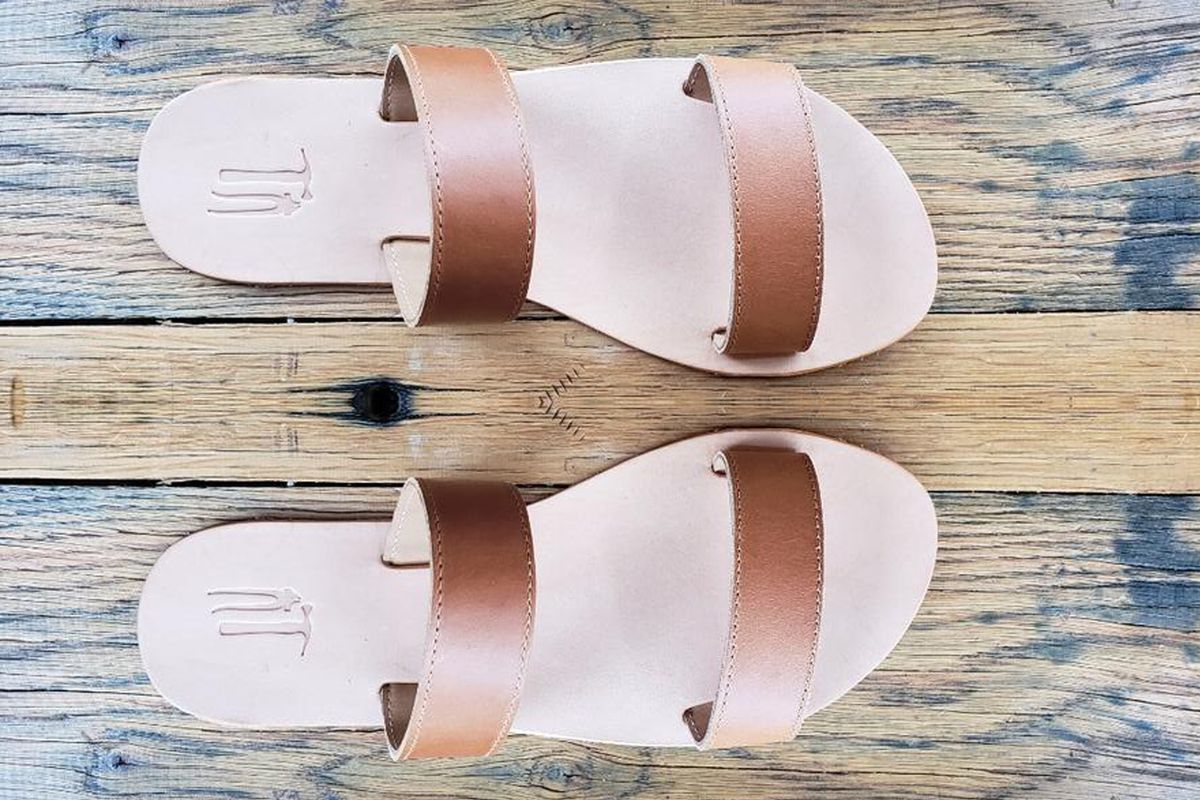
Leather is the most comfortable choice for long days in town. It absorbs some moisture, lets the skin breathe and gradually moulds to the shape of your foot, so a good pair becomes more comfortable over time. Look for leather-lined footbeds, which feel less sticky than synthetic linings when your feet are warm. The trade-off is that leather does not like water: after a soaking it needs slow drying and conditioning, and it should never be worn into the sea.
EVA and rubber sandals
EVA is a lightweight foam used in many slides and beach sandals. It floats, dries in minutes and rinses clean, which makes it ideal for the beach and pool. The downside is that cheaper EVA compresses and loses its cushioning within a season. Rubber is heavier but tougher and has excellent grip, making it the better choice for rocky shores, boat trips and wet walkways.
PU sandals
Polyurethane is used for both soles and synthetic uppers. It is soft, flexible, available in many finishes and usually more affordable than leather. It copes with occasional splashes, but prolonged heat and strong sun can make it age faster, so do not leave PU sandals in a hot car or on a sunny balcony.
Soles and footbeds: what to look for
The sole is where comfort really comes from. A beautiful sandal with a thin, flat, slippery sole will leave your feet aching after an afternoon at Caudan or a day of sightseeing.
- Thickness: for everyday walking, a sole of around 15 to 25 mm gives enough cushioning and protection from hot pavements. Very thin soles transmit heat and every stone underfoot.
- Arch support: a gently contoured footbed supports the arch and reduces fatigue. Completely flat footbeds are fine for short wear, but not for full days.
- Heel cup: a slight hollow at the heel keeps the foot centred and stops it sliding sideways.
- Tread: look for a patterned outsole with grooves or small lugs. Smooth soles become dangerous on wet tiles, which are everywhere in Mauritius.
- Flexibility: the sole should bend at the ball of the foot but not twist easily in the middle.
- Footbed surface: leather, microfibre or textured finishes stay less slippery than smooth plastic when your feet sweat.
Straps, fastenings and heel heights
Strap styles
Straps hold the foot in place, and the way they do it affects both comfort and stability.
- Slides (a single wide strap over the forefoot) are easy to slip on and off, but offer little support. Good for the pool, short errands and home.
- Toe-post sandals are light and airy, but the post can rub in hot weather and the toes grip to keep the sandal on. Best for short distances.
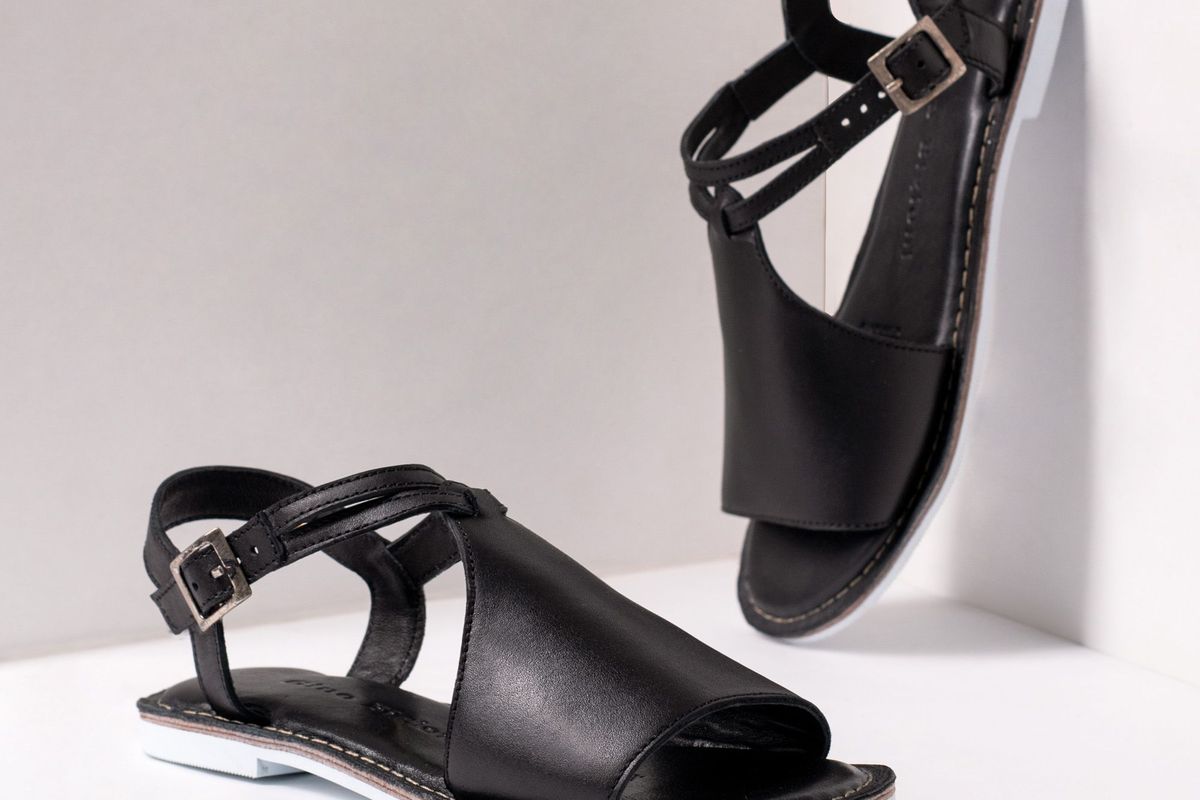
- Cross-strap and multi-strap sandals spread pressure across the foot and look smarter; check that no strap sits directly on a bony point.
- Ankle or back straps keep the heel secure and prevent sliding, which is essential for walking and for heeled sandals.
- Adjustable buckles or hook-and-loop straps let you loosen the fit as your feet swell in the afternoon, a real advantage in the tropical heat.
Heel heights
For daily wear in the heat, a low heel of about 1 to 3 cm is often more comfortable than a completely flat sole because it slightly reduces strain on the calf and heel. Block heels and wedges of 4 to 7 cm spread weight better than stilettos, give more stability on uneven pavements and are much easier on grass at outdoor weddings and garden receptions. Heels above 7 cm increase pressure on the ball of the foot, which becomes more uncomfortable as feet swell, so keep them for shorter events and choose styles with an ankle strap. At Nylex, our women's heel sandals are available in sizes 35 to 44.
Choosing sandals for every occasion in Mauritius
Island life moves quickly between very different settings. The table below matches common occasions with the features that matter most.
| Occasion | Recommended style | Material | Key features |
|---|---|---|---|
| Beach and lagoon | Slides, flip-flops, water sandals | EVA or rubber | Quick drying, floats, easy to rinse |
| Rocky shores and boat trips | Closed-toe water sandals, sport sandals | Rubber sole, textile straps | Toe protection, strong wet grip, secure back strap |
| Town, markets and errands | Cross-strap or ankle-strap flat sandals | Leather or PU | Cushioned footbed, grippy sole, adjustable straps |
| Office and business casual | Smart leather sandals, low block heels, closed-back styles for men where accepted | Leather | Clean lines, neutral colours, leather lining |
| Weddings and celebrations | Heeled sandals, embellished flats, juttis | Leather, PU, embellished uppers | Block heel or wedge, ankle strap, comfortable for long standing |
| Hiking and nature trails | Sport or trekking sandals | Rubber, textile webbing | Deep tread, heel strap, arch support |
| Rainy season commuting | Closed-back sandals | Rubber or PU | Water resistant, non-slip sole |
Sandals for work
Many workplaces in Mauritius accept smart sandals, particularly for women, but it is worth checking any dress code first. Choose leather in black, navy, tan or nude, with a clean design and a low or medium heel. For men, a well-made leather sandal can suit informal offices and weekends, while closed formal shoes remain the norm for meetings and client-facing roles. Companies that need consistent footwear for staff can look at our corporate and uniform footwear service.
Sandals for weddings and festivals
Celebrations in Mauritius often mean long hours on your feet, sometimes outdoors, and frequently dancing. Choose a heel you can comfortably stand in for several hours, secure straps and a padded footbed. Wedges and block heels are far easier on grass and sand than stilettos. Break new sandals in at home for a few evenings beforehand.
Caring for sandals after salt water and sand
Salt and sand are hard on footwear. Salt draws moisture out of leather and leaves white marks, weakens stitching and corrodes metal buckles. Sand works its way into straps and footbeds, where it acts as an abrasive against both the material and your skin.
After the beach: step by step
- Shake and brush off sand while it is dry, including between straps and around buckles.
- Rinse EVA, rubber and textile sandals in fresh water to remove salt. A soft brush and a drop of mild soap will clean the footbed.
- For leather sandals that got splashed, wipe them with a cloth dampened in fresh water to lift salt, rather than soaking them.
- Dry in the shade with good airflow. Strong sun fades colours, warps EVA and dries out leather.
- Dry metal buckles with a cloth to prevent rust and corrosion.
- Condition leather once it is completely dry, using a leather conditioner on the straps and footbed edges.
Everyday and seasonal care
- Wipe footbeds weekly; sweat and skin oils darken them and cause odour.
- Sprinkle a little baking soda on footbeds overnight to absorb odours, then brush it off.
- Store sandals in a ventilated place, never sealed in plastic, to prevent mould in humid months.
- Check straps, stitching and sole edges regularly. A loose strap is quick to fix; a torn one is not.
For detailed advice on leather cleaning, conditioning and mould prevention, see our leather shoe care guide. When a favourite pair needs new straps, a sole repair or new buckles, our shoe repair and restoration service can often bring it back to life.
Foot care in the heat
Wearing sandals most of the year exposes your feet to sun, dust and dry heat. A few simple habits keep them healthy and comfortable.
- Apply sunscreen to the tops of your feet; they burn quickly, especially at the beach, and strap lines are uncomfortable.
- Wash and dry your feet thoroughly every evening, particularly between the toes, to prevent fungal infections that thrive in heat and humidity.
- Moisturise heels regularly. Open-backed sandals allow the skin on the heel to dry out and crack; a urea-based foot cream used at night helps.
- Protect friction points early. If a strap starts to rub, cover the spot with a plaster or blister pad immediately rather than waiting.
- Alternate your footwear. Switching between sandal styles and occasionally wearing supportive closed shoes gives different parts of the foot a rest.
- Stay hydrated, which helps reduce swelling in hot weather.
- Keep toenails trimmed straight across to avoid ingrown nails, which open sandals can aggravate.
Common mistakes when buying and wearing sandals
- Buying sandals too short, so the toes or heel hang over the edge of the footbed.
- Wearing flat flip-flops for long walks, which strains the arch and makes the toes grip constantly.
- Taking leather sandals into the sea and then drying them in the sun.
- Choosing smooth soles that are slippery on wet tiles and polished floors.
- Buying fashion heels for an all-day event without trying them on for more than a few minutes.
- Keeping worn-out sandals whose footbeds have flattened, which offer no support at all.
- Storing sandals in plastic during the humid season, which invites mould.
Find the right sandals with Nylex
The best sandals for a tropical climate are the ones matched to where you are going: water-friendly EVA or rubber for the beach, supportive leather or PU with grippy soles for town, smart leather for the office, and secure block heels or wedges for weddings and celebrations. Add adjustable straps, a contoured footbed and a little routine care after salt and sand, and your sandals will stay comfortable through the hottest months.
Nylex makes and supplies women's sandals, heels, flats and juttis, as well as men's casual footwear, right here in Port Louis. Browse our women's collection and men's shoes, or visit our shop at 16 J Charle Oliver, Port Louis to try styles on in person. If you need help choosing a size or style, contact us and our team will be happy to advise.
Frequently asked questions

Shoemakers and fitting specialists at our Port Louis workshop, sharing practical advice from years of making and fitting footwear in Mauritius.