Your feet carry you through thousands of steps a day, yet most people only think about them when something hurts. Many common foot complaints, such as blisters, aching arches, sore heels and pinched toes, are made worse by shoes that don't suit the foot wearing them. The good news is that choosing comfortable shoes and building a few simple habits can make a real difference to how your feet feel at the end of the day.
This guide explains the basics of foot anatomy, how to find your arch type at home, what to look for in cushioning, heel height and toe box, the most common foot problems, and how to look after your feet in the hot, humid Mauritian climate. It's practical, general information. It is not a diagnosis.
Foot anatomy basics: why shoe design matters
Each foot contains 26 bones, 33 joints and more than 100 muscles, tendons and ligaments working together. It helps to think of the foot in three zones:
- Rearfoot (heel): the heel bone (calcaneus) takes the first impact with each step. The Achilles tendon attaches at the back, and the plantar fascia, a thick band of tissue supporting the arch, starts underneath.
- Midfoot (arch): a group of bones forming the arches, which act as a spring and shock absorber. The arch flattens slightly under load and recoils as you push off.
- Forefoot (ball and toes): the five long metatarsals and the toes. This is where the foot bends and pushes off, and where most of your weight sits in heels.
A well-designed shoe works with this structure. It supports the heel, respects the arch, bends where the foot bends (at the ball, not the middle), and gives the toes room to spread. A shoe that fights the foot's natural movement will eventually cause discomfort.
Know your arch type: the wet test
Arch height affects how your foot absorbs shock and which shoes will feel comfortable. You can get a rough idea at home with the wet test:
- Wet the sole of your foot with water.
- Stand normally on a piece of brown paper, a paper bag or a dry, dark tile.
- Step off and look at the footprint.
| Footprint | Likely arch type | What it often means | Shoe features to look for |
|---|---|---|---|
| Almost the whole sole visible, little or no inward curve | Low arch / flat foot | The foot may roll inward (overpronate) more | Firm heel counter, supportive midsole, structured arch support |
| A clear curve, with about half the arch area visible | Medium / neutral arch | Balanced shock absorption | Most well-made shoes; moderate cushioning |
| Heel and ball linked by a thin strip or not at all | High arch | Less natural shock absorption; pressure focused on heel and ball | Good cushioning, flexible sole, enough depth over the instep |
The wet test is a guide, not a diagnosis. Arch height can differ between your left and right foot and can change with age, weight and pregnancy. If you're unsure, a professional fitting and size consultation can help you choose shoes that suit your feet.
What makes a shoe comfortable
Correct size and fit
Comfort starts with fit. Measure both feet (they're often slightly different), fit to the larger one, and shop in the afternoon when feet have swollen a little. Allow roughly a thumb's width (about 1 cm) between your longest toe and the end of the shoe. Our size guide explains how to measure accurately.
Cushioning
Cushioning absorbs impact, especially on hard floors like tiles and concrete. More isn't always better. Very soft, thick foam can feel good in the shop but may reduce stability and wear down quickly. Look for balanced cushioning under the heel and forefoot, a supportive footbed, and a midsole that springs back when you press it with your thumb.
Heel height
Heel height changes how weight is spread across the foot. As heels rise, more load moves onto the ball of the foot and the toes are pushed forward. As a general guide:
- Flat to 2 cm: fine for most people, though completely flat, thin soles offer little shock absorption.
- 2–4 cm: often the most comfortable for long days, as it takes a little strain off the Achilles tendon and calves.
- 5–7 cm: manageable for events and shorter periods, especially with a block heel and a padded forefoot.
- Above 7 cm: best kept for occasions. Limit wearing time and bring a lower pair to change into.
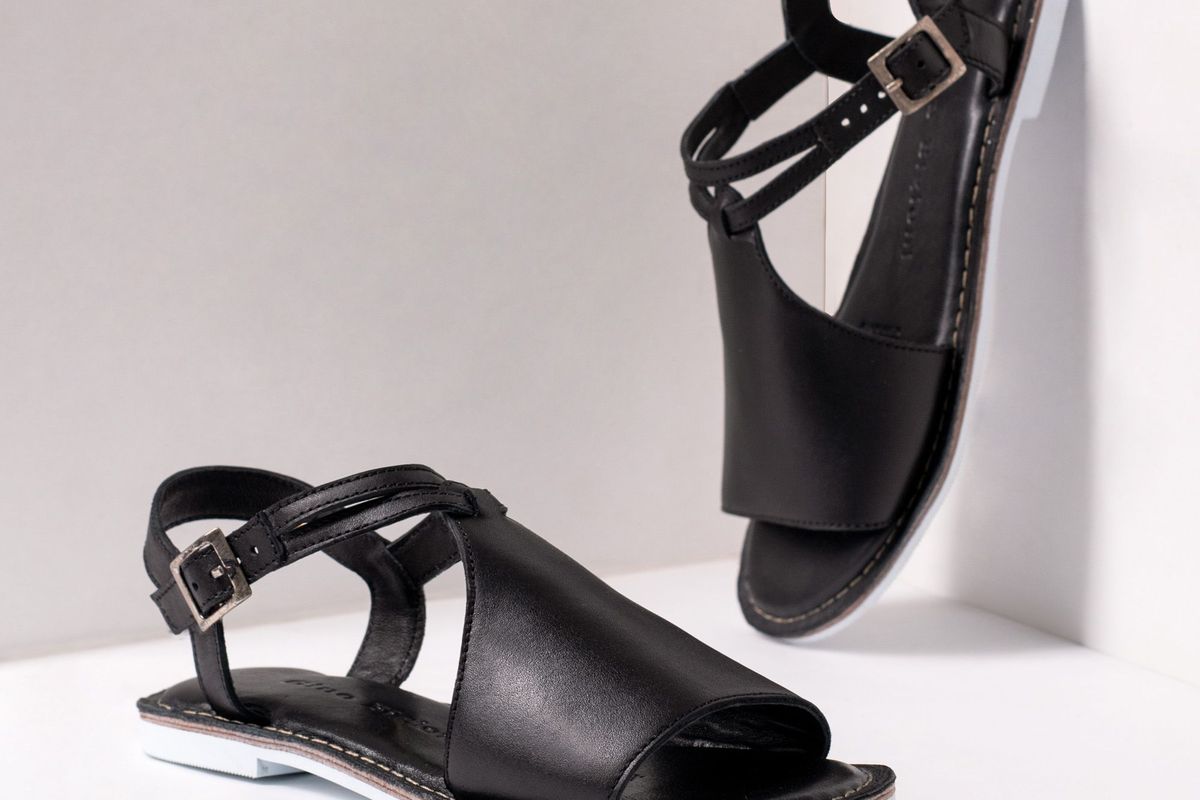
Block heels, wedges and platforms spread weight better than stilettos. Our women's shoes collection includes low and mid-height heels as well as flats for everyday comfort.
Toe box
The toe box is the front part of the shoe around your toes. It should be wide and deep enough for your toes to lie flat and wiggle freely. Sharply pointed or shallow toe boxes squeeze the toes together and are a common cause of discomfort, corns and aggravated bunions. Stand up in the shoe: if you can see the outline of your little toe pressing against the side, the shoe is too narrow.
Heel counter, flexibility and fastening
A firm heel counter (the stiff cup around the back of the heel) keeps your heel stable. The sole should bend at the ball of the foot but resist twisting through the middle. Laces, buckles or straps let you secure the foot so it doesn't slide forward. Slip-on shoes without any fastening make your toes grip to keep them on, which can be tiring over a long day.
Common foot problems and how shoes play a part
The following conditions are common. Shoes don't always cause them, but the wrong shoes can make them worse, and suitable shoes can make daily life more comfortable. Always seek professional advice for diagnosis and treatment.
Blisters
Blisters come from friction, heat and moisture, which is a familiar combination in a tropical climate. New shoes, a loose heel, rough seams and damp socks are the usual causes. Choose well-fitted shoes with smooth linings, wear moisture-wicking socks, and break new shoes in gradually. If a blister appears, keep it clean and covered. People with diabetes should get any foot wound checked promptly.
Bunions
A bunion (hallux valgus) is a bony bump at the base of the big toe, where the toe angles towards the others. Genetics play a large role, but narrow, pointed shoes and high heels can increase pain and pressure. Wide, deep toe boxes, soft uppers over the joint and lower heels usually feel better. A podiatrist can advise on padding, orthotics or other treatment.
Plantar fasciitis
This is irritation of the plantar fascia, typically felt as sharp heel pain with the first steps in the morning or after resting. It's often linked to long periods of standing, sudden increases in activity, tight calves and unsupportive shoes. People commonly find relief in shoes with good arch support, a cushioned heel and a slight heel-to-toe drop, and by avoiding walking barefoot on hard floors or wearing worn-out flat sandals. Heel pain that persists for more than a couple of weeks should be assessed by a health professional.
Flat feet
Many people with flat feet have no symptoms and need no treatment. Some experience tired, aching feet or pain in the arch, ankle or knee. Supportive shoes with a firm heel counter, a stable midsole and proper arch support, sometimes with orthotic insoles, can help. Painful or "rigid" flat feet, or flat feet that develop in adulthood, should be checked by a doctor or podiatrist.
Shoes for standing all day and for people with diabetes
If you stand all day
Shop staff, nurses, chefs, security staff, teachers and factory workers can spend eight hours or more on their feet. Useful features include:
- A cushioned, shock-absorbing midsole and a supportive, removable footbed.
- A slip-resistant rubber outsole for wet or greasy floors.
- A roomy toe box, since feet swell over a long shift.
- A low heel of about 1–3 cm rather than completely flat.
- Breathable uppers and linings.
If possible, rotate between two pairs, and try to shift your weight, walk around and stretch your calves during breaks.
If you have diabetes
Diabetes can reduce sensation and circulation in the feet, so a small rub or blister may go unnoticed and become serious. If you have diabetes, please consult your doctor or a podiatrist before choosing footwear, and have your feet checked regularly. General guidance people with diabetes often receive includes wearing seamless, well-fitted shoes with a deep, wide toe box, never walking barefoot, checking the inside of shoes for stones or rough spots before putting them on, and inspecting feet daily. Follow the specific advice of your healthcare team.
Break-in period and insoles
Breaking in new shoes
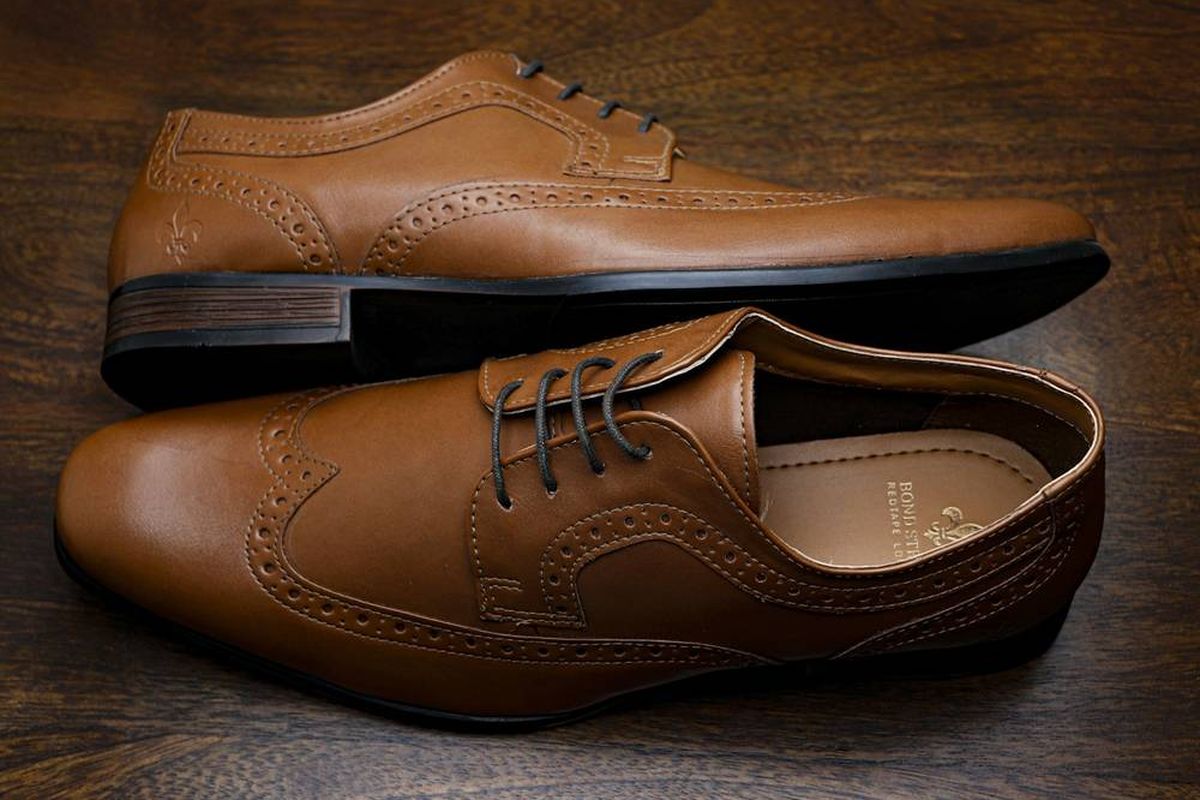
A well-fitted shoe should feel comfortable from the first try-on. Breaking in should only mean small adjustments, such as leather softening and the sole flexing, not getting used to pain. For leather shoes, especially stitched formal ones:
- Wear them at home for an hour or two over a few days.
- Then wear them for half-days before a full day out.
- Wear the socks you'll normally wear with them.
- Don't debut new shoes at a wedding, a long trip or a full shift.
If a shoe still pinches or rubs after a week or two of gradual wear, it's probably the wrong size or shape. Some leather shoes can be stretched slightly by a professional repairer.
Insoles and orthotics
Over-the-counter insoles can add cushioning, gentle arch support or a better fit in shoes that are slightly roomy. Custom orthotics, prescribed by a podiatrist, are made for your particular foot mechanics. When adding an insole, remove the original footbed if possible so the shoe doesn't become too tight, and bring the insole with you when trying on new shoes.
When to replace your shoes
Cushioning compresses and support breaks down long before a shoe looks worn out. Worn shoes are a common, avoidable cause of aching feet. Use these signs and typical ranges as a guide. Actual lifespan depends on how often you wear the shoes, your weight, your walking style and the surfaces you walk on.
| Shoe type | Typical replacement guide | Signs it's time |
|---|---|---|
| Running / training shoes | Roughly 500–800 km of running | Flattened midsole, creased foam, new aches after runs |
| Everyday work shoes (daily wear) | Around 8–12 months | Heel worn at an angle, sole smooth, inside lining torn |
| Quality leather formal shoes (rotated) | Many years with resoling and care | Cracked upper, broken heel counter, sole worn through (often repairable) |
| Sandals and flip-flops | About one season of heavy use | Footbed compressed with deep toe imprints, straps stretched |
| Slippers / house shoes | About 6–12 months | No cushioning left, sole slippery or split |
A quick check: put your shoes on a table and look at them from behind. If the heels lean inwards or outwards, or the sole is worn unevenly, the support has gone.
Daily foot care in a hot, humid climate
Mauritius's heat and humidity make sweaty feet, fungal infections and odour more likely. A simple routine helps:
- Wash and dry thoroughly every day, including between the toes, where athlete's foot often starts.
- Choose breathable materials: leather linings, natural fibres and ventilated uppers. Our guide to the best sandals for a tropical climate covers airy options.
- Change socks daily, or more often if they get damp, and choose moisture-wicking cotton blends.
- Rotate shoes so each pair has at least 24 hours to dry out. Store them somewhere ventilated, not in a closed plastic bag.
- Moisturise heels (but not between the toes) to prevent cracked skin, a common problem with open sandals.
- Cut toenails straight across to reduce the risk of ingrown nails.
- Protect your feet outdoors: wear water shoes on coral and rocky beaches, and avoid walking barefoot on hot pavements.
- Look after leather: humidity can cause mould, so clean, condition and store leather shoes somewhere ventilated.
Finding comfortable shoes with Nylex
Comfort comes from the right size, the right shape and the right shoe for the job. At Nylex we make and supply men's and women's footwear in Port Louis, with men's sizes from 38 to 47 and ladies' sizes from 35 to 45, and we're glad to help you find a pair that suits your feet. For foot pain, please see your doctor or podiatrist first. For footwear advice, contact our team or visit our showroom.
Frequently asked questions

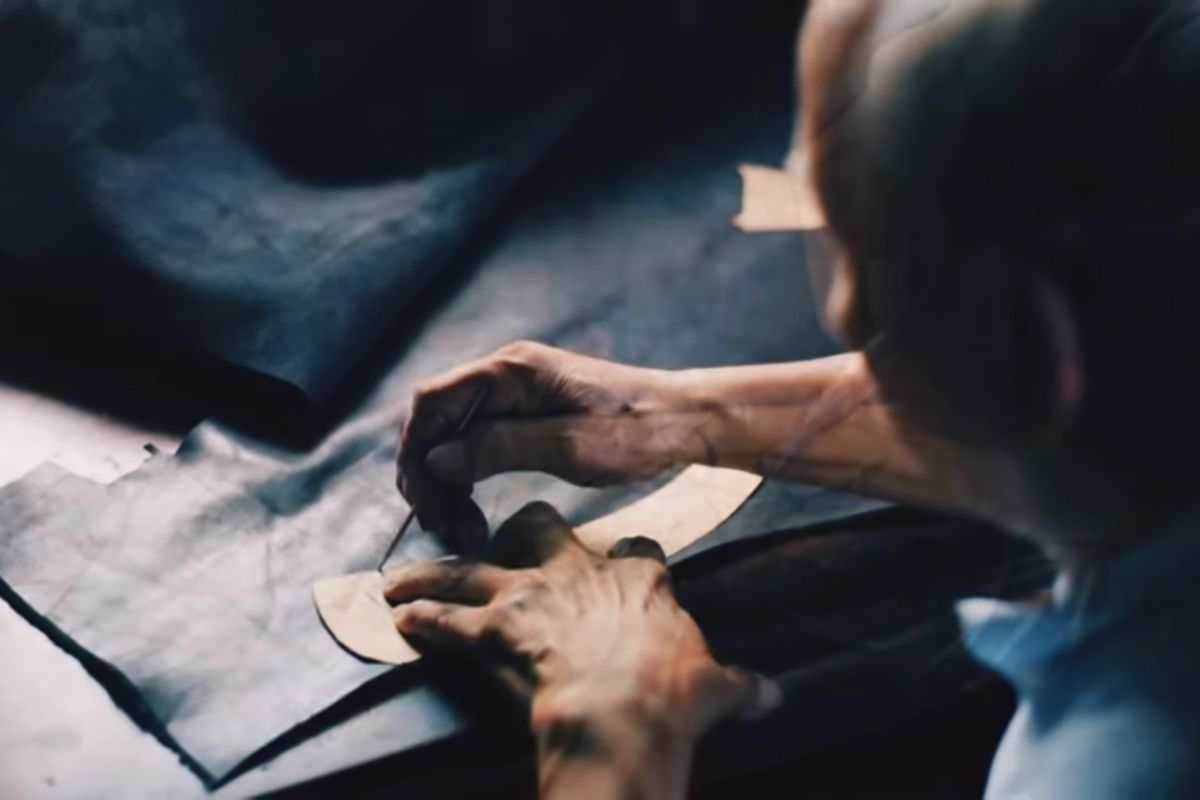
Shoemakers and fitting specialists at our Port Louis workshop, sharing practical advice from years of making and fitting footwear in Mauritius.