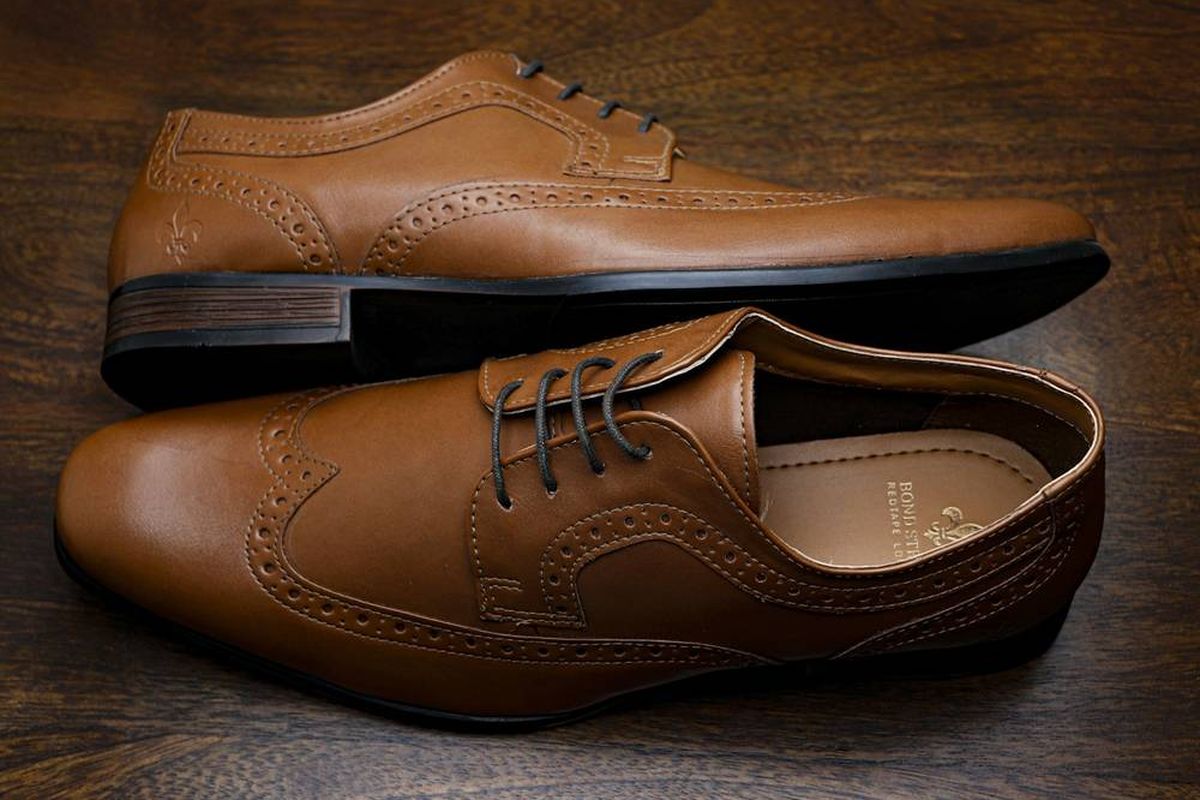
Formal shoes can look like a small detail, but people notice them quickly. A good pair of Oxfords can pull together a cheap suit, and scuffed or badly chosen shoes can let down an expensive one. The trouble is that the vocabulary puts people off: Oxford, Derby, brogue, wingtip, monk, balmoral, Goodyear welt. Many men stick with one pair of black lace-ups and hope it works for everything.
This guide covers the main men's formal shoe styles, the dress codes each one suits, how to match colours with suits and belts, the basics of shoe construction, and how to build a small wardrobe of three to five pairs for Mauritian life: office days in Port Louis and Ebène, weddings, religious festivals and evening functions.
Why the right formal shoe matters
A formal shoe does two jobs. It completes the outfit visually, and it tells people how much care you took getting dressed. Get the pairing wrong and the outfit looks off even to people who couldn't say why.
There is a practical side too. Formal shoes are usually worn for long stretches: a full working day, a wedding that starts with a ceremony and ends after midnight, or a festival visit with plenty of standing. A well-shaped, well-built shoe that fits properly stays comfortable for those hours. A badly fitted one will hurt by lunchtime.
The core men's formal shoe styles explained
Almost every formal shoe fits into one of a few families. Once you can spot them, shopping gets much easier.
Oxford (closed lacing)
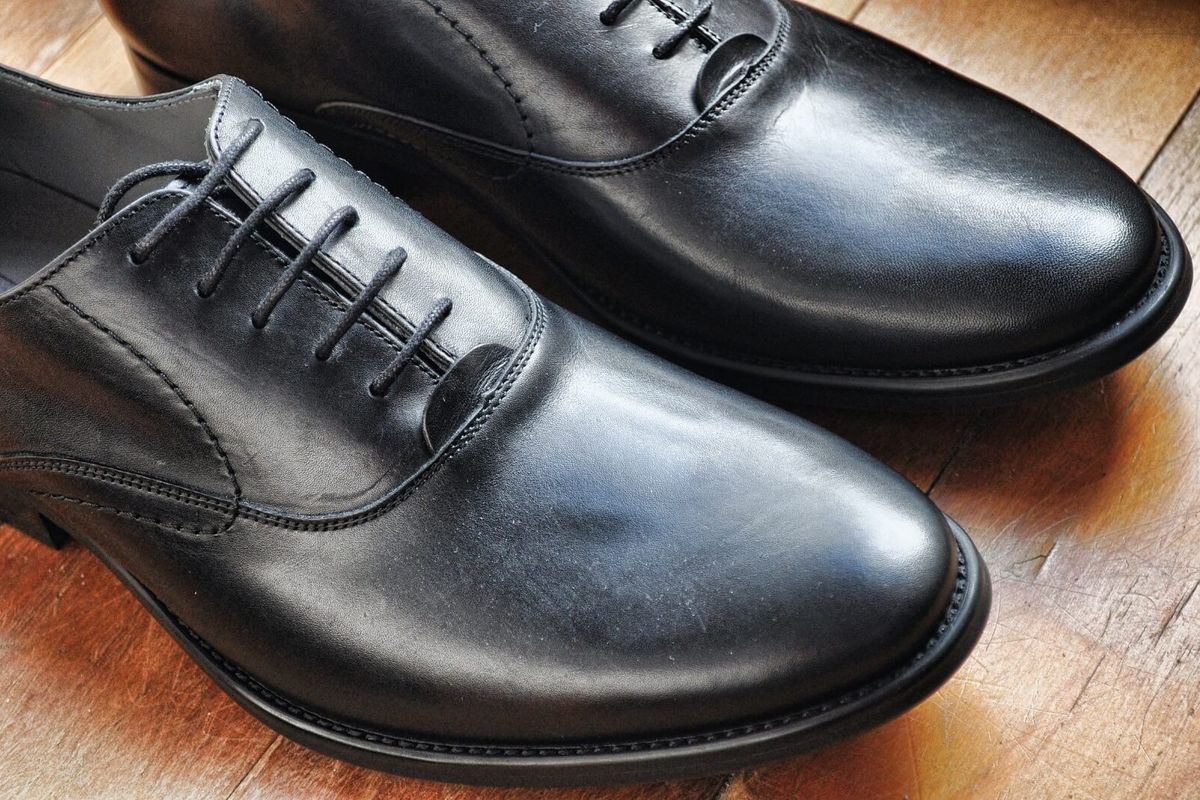
The Oxford is the most formal lace-up. The quarters, the side pieces that hold the eyelets, are stitched underneath the vamp (the front of the shoe), so the lacing closes into a neat V with almost no gap. That gives a clean, close-fitting silhouette. A plain black cap-toe Oxford is the standard shoe for business suits, black-tie events that don't call for patent leather, funerals and formal ceremonies. If you can only own one formal shoe, this is usually the one.
Derby (open lacing)
On a Derby (sometimes called a Gibson or blucher) the quarters are stitched on top of the vamp, so the lacing flaps open outwards. The construction is more forgiving for high insteps and wider feet, because the opening adjusts more. Visually it is a step less formal than an Oxford. A sleek black or dark brown Derby still works with a suit, especially in the office, and a chunkier Derby pairs well with odd trousers and blazers.
Brogues: full, semi and quarter
"Brogue" describes the decorative perforations (broguing) along the seams, not the shoe's basic shape. An Oxford or a Derby can be brogued. The rule of thumb is simple: the more perforation, the less formal the shoe.
- Quarter brogue: perforations only along the toe-cap seam. This is the most formal brogue and works with most business suits.
- Semi-brogue: a quarter brogue plus a decorative medallion punched into the centre of the toe cap. It is versatile and suits smart office wear and daytime events.
- Full brogue (wingtip): a toe cap shaped like a W or M whose "wings" run along the sides, with heavy perforation. It is the most casual of the three and looks best with tweed, flannel, chinos and sports jackets rather than sharp city suits.
Monk strap
Monk straps replace laces with one or two buckled straps (single or double monk). They sit between an Oxford and a Derby in formality and give an outfit a bit of personality without being loud. A dark brown double monk goes well with navy and grey suits. Black single monks can pass in conservative offices.
Loafers: penny, tassel and horsebit
Loafers are slip-ons with no fastening. They were once strictly casual, but refined leather loafers are now accepted in most smart-casual and many business-casual settings.
- Penny loafer: a leather strap across the saddle with a small slot cut into it. Clean and versatile, it works with chinos, lightweight suits and linen.
- Tassel loafer: decorated with small leather tassels on the vamp. A little dressier and more expressive, a long-standing choice with blazers and tailored trousers.
- Horsebit loafer: a metal snaffle across the vamp. The polished hardware makes it the dressiest loafer and a strong option for evening events that are not strictly black tie.
In a warm climate, a well-made loafer is often the most comfortable way to look sharp. We cover more options on our men's shoes page.
Chelsea and chukka boots
The Chelsea boot has elastic side panels and no laces. In sleek black or dark brown calf leather with a slim sole, it can be worn with a suit, a popular modern look. The chukka boot is ankle-high with two or three eyelets, often in suede. It suits smart-casual wear with chinos and jackets but is too relaxed for formal suits. In Mauritius boots are seasonal, most useful on cooler winter evenings from June to August or in the highlands around Curepipe.
Which shoe for which dress code
Use this table as a quick reference. When in doubt, choose the more formal option. Being slightly overdressed rarely causes problems, while being underdressed at a wedding or formal ceremony is noticed.
| Dress code | Best choices | Acceptable | Avoid |
|---|---|---|---|
| Black tie / gala | Black patent or highly polished black plain Oxford | Black velvet or patent slippers (evening only) | Brogues, brown shoes, boots, loafers with hardware |
| Formal / ceremonial (weddings, funerals, official events) | Black cap-toe Oxford, plain black Oxford | Dark brown Oxford (daytime weddings), black quarter brogue | Full brogues, suede, casual loafers |
| Business formal (suit and tie) | Black or dark brown Oxford, quarter or semi-brogue | Sleek Derby, single or double monk strap | Chunky soles, sneakers, sandals |
| Business casual | Derby, monk strap, penny or tassel loafer | Chelsea boot, semi-brogue | Patent leather, athletic trainers |
| Smart casual (dinners, parties) | Loafers, full brogues, suede Derbies, chukkas | Minimal leather sneakers (event dependent) | Formal patent shoes, worn-out footwear |
Colour matching: shoes, suits and belts
Colour is where most men get stuck, but a handful of rules covers nearly every situation.
Matching shoes to suits
- Charcoal grey suit: black is the safest and most formal choice. Dark brown and burgundy also work well.
- Navy suit: the most versatile suit colour. Black, dark brown, mid brown, burgundy (oxblood) and tan all work. Brown with navy is a classic office look.
- Light grey suit: black for formal occasions, mid brown or burgundy for a lighter daytime feel.
- Black suit: black shoes only. Brown shoes with a black suit clash almost every time.
- Beige, tan or linen suits: mid or light brown, tan, suede loafers. Popular for daytime and outdoor weddings on the coast. Avoid black, which looks heavy against light fabric.
The belt rule
Your belt should match your shoes in colour and roughly in finish: black with black, brown with a similar brown. It doesn't have to be an exact shade, but it should look intentional. A polished calf belt goes with polished shoes. A suede or braided belt goes with suede or casual shoes. Keep the buckle simple and, ideally, in the same metal tone as your watch or monk-strap hardware.
Sock rules most men get wrong
Socks connect trouser and shoe, and the wrong pair shows every time you sit down.
- Match socks to trousers, not shoes. This gives a continuous line from waist to shoe and makes you look taller. Navy socks with navy trousers, charcoal with charcoal.
- Length matters. With formal wear, socks should be long enough that no bare shin shows when you cross your legs. Mid-calf is the minimum. Over-the-calf is best for suits.
- Thin is better. Choose fine cotton (such as mercerised cotton) or a lightweight wool blend. In Mauritian heat, breathable fine cotton is usually the most comfortable choice.
- No white athletic socks with formal shoes. Ever.
- Going sockless with loafers works at summer parties and beach weddings. Use invisible "no-show" liners to protect the lining from sweat and odour.
Construction basics: Goodyear welt, Blake and cemented
How the sole is attached to the upper affects durability, comfort, water resistance, whether the shoe can be resoled, and price. You don't have to be an expert, but knowing the three main methods helps you judge value. For a closer look at how a shoe comes together, read our article on how shoes are made.
| Construction | How it works | Strengths | Trade-offs |
|---|---|---|---|
| Goodyear welt | A strip of leather (the welt) is stitched to the upper and insole, then the outsole is stitched to the welt. | Very durable, can be resoled several times, good water resistance, moulds to the foot over time. | Heavier, stiffer at first, longer break-in, higher cost. |
| Blake stitch | The outsole is stitched directly through the insole to the upper from inside the shoe. | Lighter, more flexible, sleeker profile, can be resoled by a skilled repairer. | Less water resistant; resoling needs a specialist machine. |
| Cemented | The sole is bonded to the upper with strong adhesive, with no stitching through the sole. | Light, flexible from day one, affordable, clean look. | Harder to resole; lifespan depends heavily on the quality of the materials and bonding. |
A well-made cemented shoe with good leather can be a sensible choice for occasional wear or for fast-growing teenagers. For a shoe you'll wear three days a week for years, stitched construction usually costs less per wear. Whatever the construction, worn heels and soles can often be repaired.
Building a formal shoe wardrobe of 3–5 pairs
You don't need a cupboard full of shoes. You need the right few, rotated so each pair gets a day off. Leather needs about 24 hours to release the moisture it absorbs from your feet, which matters a lot in humid Mauritius.
The essential three
- Black cap-toe Oxford. For weddings, funerals, interviews, court appearances and formal ceremonies. Keep it polished and ready.
- Dark brown Derby or semi-brogue. Your everyday office shoe with navy, grey and odd trousers.
- Brown or burgundy loafer. For smart-casual Fridays, dinners, weekend events and warm-weather outfits.
Adding pairs four and five
- Double monk strap in dark brown or oxblood. It adds personality to suits and is easy to slip on and off.
- Chelsea boot or suede chukka. For cooler months, evening events and smart-casual outfits.
With these five pairs, a working professional can dress correctly for nearly any occasion without looking like he wears the same shoes every day. If a standard size doesn't fit you well, for example with a wide foot, a high instep or a size above 45, custom and bespoke footwear is worth considering.
Formal shoes for occasions in Mauritius
Mauritius has its own rhythm: a multicultural calendar, a warm humid climate and a mix of corporate and traditional dress. Here is how the rules above apply locally.
Office wear in Port Louis and Ebène
Offices in banking, law, government and the global business sector still expect suits or at least tailored trousers and a shirt. Black or dark brown Oxfords and Derbies are the standard. Because of the heat, choose breathable leather linings and rotate pairs so they dry between wears.
Weddings
Weddings in Mauritius range from church ceremonies to Hindu, Muslim, Tamil and Chinese traditions, often with several events over a few days. For church and civil ceremonies with a suit, a polished black or dark brown Oxford is right. For outdoor or beach weddings in lighter suits, a tan loafer or suede Derby looks more relaxed. For traditional attire such as a sherwani or kurta, grooms and guests often choose embellished juttis, mojaris or sleek loafers. Slip-ons are practical if shoes come off during the ceremony.
Festivals and religious events
For Diwali, Eid, Cavadee, Chinese Spring Festival or Christmas gatherings, smart-casual is the norm. Loafers and monk straps are ideal because they're elegant and easy to remove at the door of a home, temple or mosque.
Evening functions and galas
Hotel galas, awards dinners and black-tie events call for your most formal pair: a mirror-polished plain black Oxford, or patent leather if the invitation says black tie.
Caring for formal shoes and finding your pair
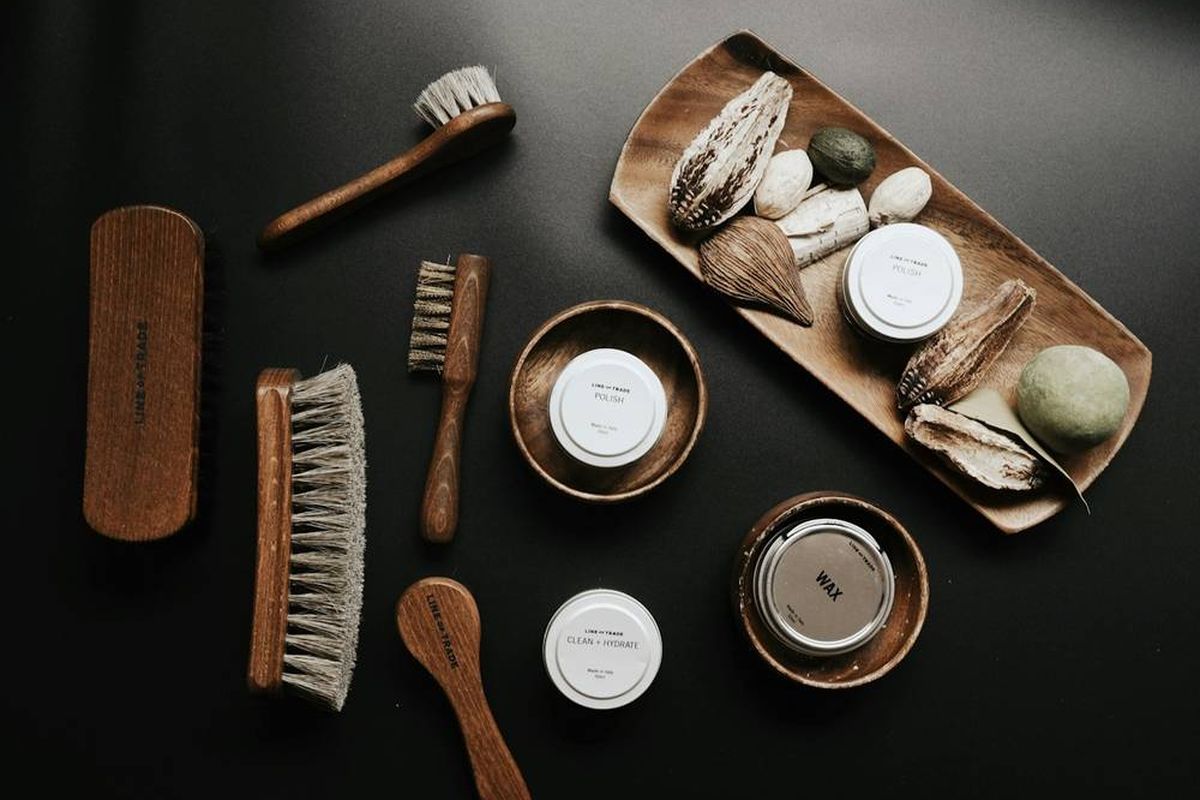
A good formal shoe improves with care. Use shoe trees, brush off dust after each wear, condition the leather every few weeks, and polish before important occasions. Humidity can cause mould on leather stored in closed cupboards, so keep shoes somewhere ventilated. Our detailed leather shoe care guide goes through each step.
Fit matters as much as style. An elegant Oxford that pinches will ruin a wedding day, so try shoes in the afternoon when your feet are slightly larger, and check our size guide before ordering. At Nylex we make and supply men's formal shoes, loafers and boots in Port Louis in sizes 38 to 47, with larger sizes depending on the style. If you'd like help choosing between an Oxford and a Derby, matching a pair to a wedding outfit, or ordering for a group, get in touch with our team or visit our showroom. We'll help you find a pair that looks right and stays comfortable.
Frequently asked questions

Shoemakers and fitting specialists at our Port Louis workshop, sharing practical advice from years of making and fitting footwear in Mauritius.