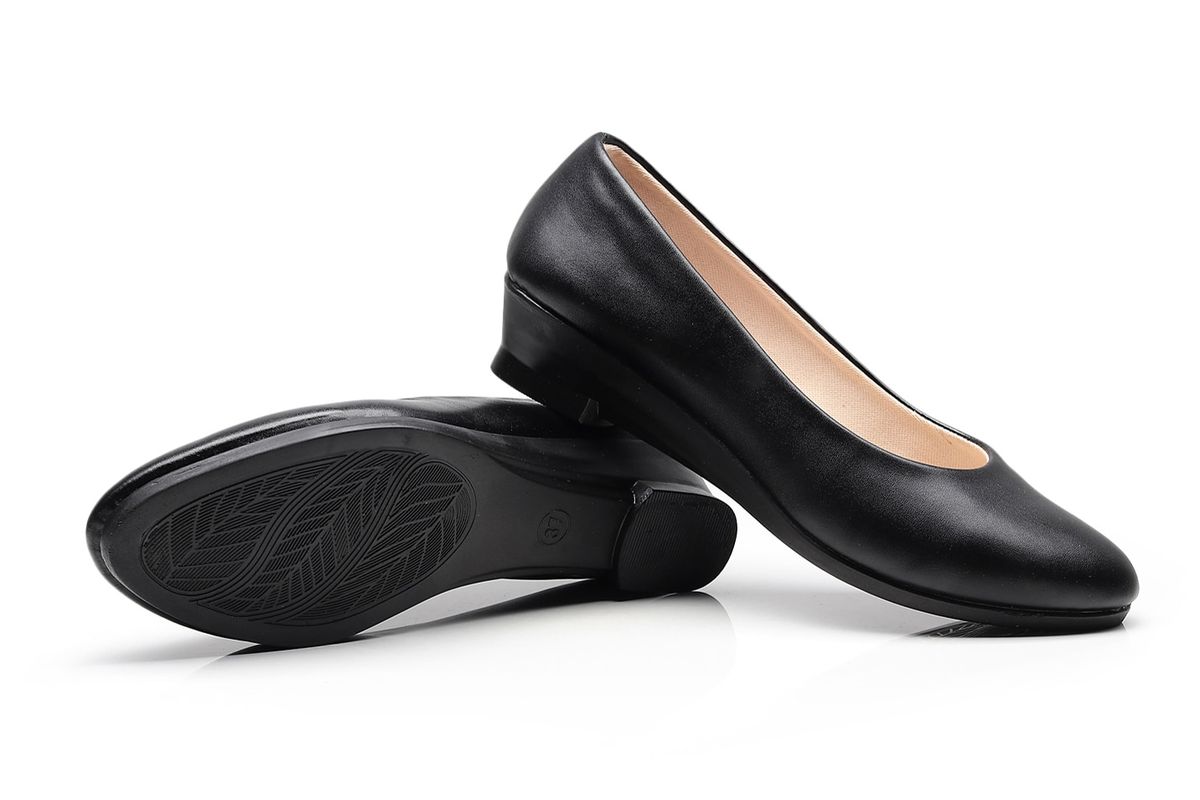
A shoe that fits well is one you forget you are wearing. One that fits badly announces itself within the hour: a rubbing heel, a pinched toe, a strap that digs in as your feet swell in the afternoon heat. Most fitting problems come from guessing the size. This guide shows you how to measure your feet at home, convert EU, UK and US sizes, judge width, and adjust for sandals, heels and formal shoes, whether you buy in store or online.
Why the right shoe size matters more than you think
When a shoe is too short, the toes are pushed against the front and forced to curl, which over months can contribute to corns, ingrown nails and bent toes. When a shoe is too long or too loose, the foot slides forward with every step, the heel lifts out of the counter, and you grip with your toes to keep the shoe on, which tires the arch and calf. Both situations create friction, and friction in a warm, humid climate like Mauritius quickly turns into blisters.
Fit also affects value. Leather stretched over a foot that is too wide creases deeply and cracks early, and a sole that is too long wears unevenly because you walk differently to compensate. The right size is the cheapest way to make every pair last longer.
How to measure your feet at home, step by step
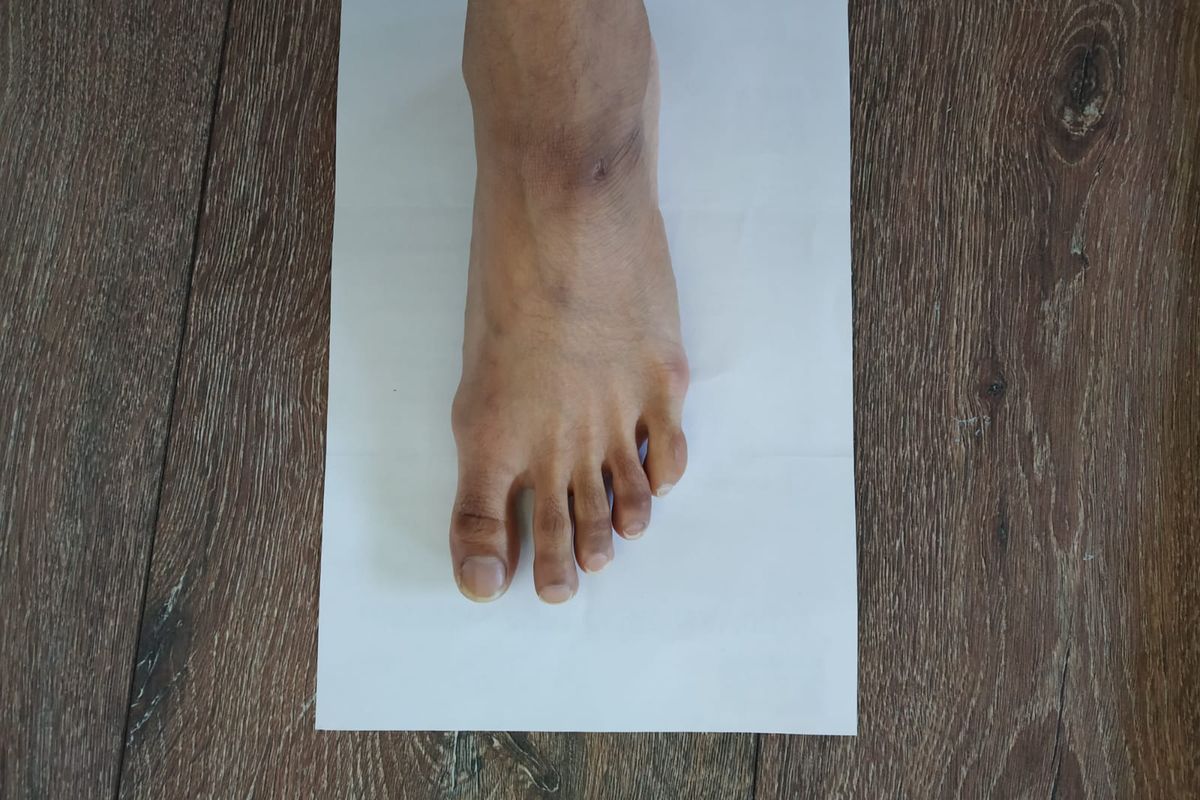
You do not need special equipment. A sheet of A4 paper, a pencil, a ruler or tape measure, and a wall with a hard floor are enough. Measuring takes five minutes and gives you a number in centimetres that is far more reliable than any size printed inside an old pair of shoes.
The method
Wear the socks you plan to wear with the shoes, or go barefoot if you are measuring for sandals.
- Measure later in the day. Feet swell as you walk and stand, typically by several millimetres by the afternoon, and more in hot weather.
- Tape the paper to the floor with one short edge flush against the wall.
- Stand on the paper with your full weight, heel touching the wall. A foot under load spreads longer and wider than a relaxed foot.
- Trace the outline, keeping the pencil vertical. Tilting it inwards makes the tracing too small.
- Mark the longest point, which is usually the big toe but for many people is the second toe.
- Measure length in a straight line from the wall edge to that longest point. Write it down in millimetres, for example 256 mm.
- Measure width across the widest part of the forefoot, usually from the joint at the base of the big toe to the joint at the base of the little toe.
- Repeat for the other foot. Always choose your size based on the larger foot.
Turning your measurement into a size
Your foot length is not the same as the inside length of the shoe. A closed shoe needs extra room in front of the toes so that the foot can flex and move forward slightly with each step. As a general rule, allow roughly 10 to 15 mm between your longest toe and the end of a closed shoe. That is why a foot measuring 256 mm often ends up in an EU 40 or 41 rather than the size a simple calculator suggests. Use the table below as your starting point, then refine it by trying the style on.
EU, UK and US shoe size conversion chart
Mauritius, like most of Europe and Africa, mainly uses EU (Paris point) sizing, but many people have old shoes labelled in UK or US sizes, and online shops often show all three. The systems were built on different units and starting points, so conversions are always approximate. The chart below covers EU 35 to 47 for both women and men, with an approximate foot length for each size.
| EU size | Approx. foot length (cm) | Women UK | Women US | Men UK | Men US |
|---|---|---|---|---|---|
| 35 | 22.0 – 22.5 | 2.5 | 5 | 2.5 | 3.5 |
| 36 | 22.5 – 23.0 | 3.5 | 6 | 3.5 | 4.5 |
| 37 | 23.0 – 23.5 | 4 | 6.5 | 4 | 5 |
| 38 | 23.5 – 24.0 | 5 | 7.5 | 5 | 6 |
| 39 | 24.0 – 24.7 | 6 | 8.5 | 6 | 7 |
| 40 | 24.7 – 25.4 | 6.5 | 9 | 6.5 | 7.5 |
| 41 | 25.4 – 26.0 | 7.5 | 10 | 7.5 | 8.5 |
| 42 | 26.0 – 26.7 | 8 | 10.5 | 8 | 9 |
| 43 | 26.7 – 27.4 | 9 | 11.5 | 9 | 10 |
| 44 | 27.4 – 28.0 | 9.5 | 12 | 9.5 | 10.5 |
| 45 | 28.0 – 28.7 | 10.5 | 13 | 10.5 | 11.5 |
| 46 | 28.7 – 29.4 | 11 | 13.5 | 11 | 12 |
| 47 | 29.4 – 30.0 | 12 | 14.5 | 12 | 13 |
Notice that UK sizes are the same for men and women, while US sizes differ: a US women's size is usually about 1.5 higher than the equivalent US men's size. This is a frequent source of mistakes when people buy unisex trainers or sandals online. For our own ranges, the Nylex size guide lists the exact sizes available for each category.
Width and volume: the half of fitting most people ignore
Length gets all the attention, but many fitting complaints are really about width. If the widest part of your foot sits on a narrower part of the shoe, you will feel pressure on the joints at the base of the big and little toes, no matter how much room there is at the front. People with wide feet often compensate by buying a size longer, which solves the pressure but leaves the heel slipping and the flex point of the shoe in the wrong place.
How to tell if you need a wider fit
- You regularly feel the outside edge of your foot pressing over the sole, especially in sandals.
- The leather over your little toe bulges or wears through early.
- Shoes that are long enough still feel tight across the ball of the foot.
- You have a high instep, and laces or straps across the top always feel tight even when loosened.
Volume, the space between sole and upper, matters too. A high instep needs more of it, so open-laced Derbies, buckles and elastic gussets usually suit better than closed-lacing Oxfords. For very wide or unusual feet, custom and bespoke shoes made to your measurements are often better than forcing a standard size.
How the right size changes by style
Your measured size is the same, but the way a shoe should fit depends on its construction. Here is what to look for in the styles people buy most often in Mauritius.
Formal and leather lace-up shoes
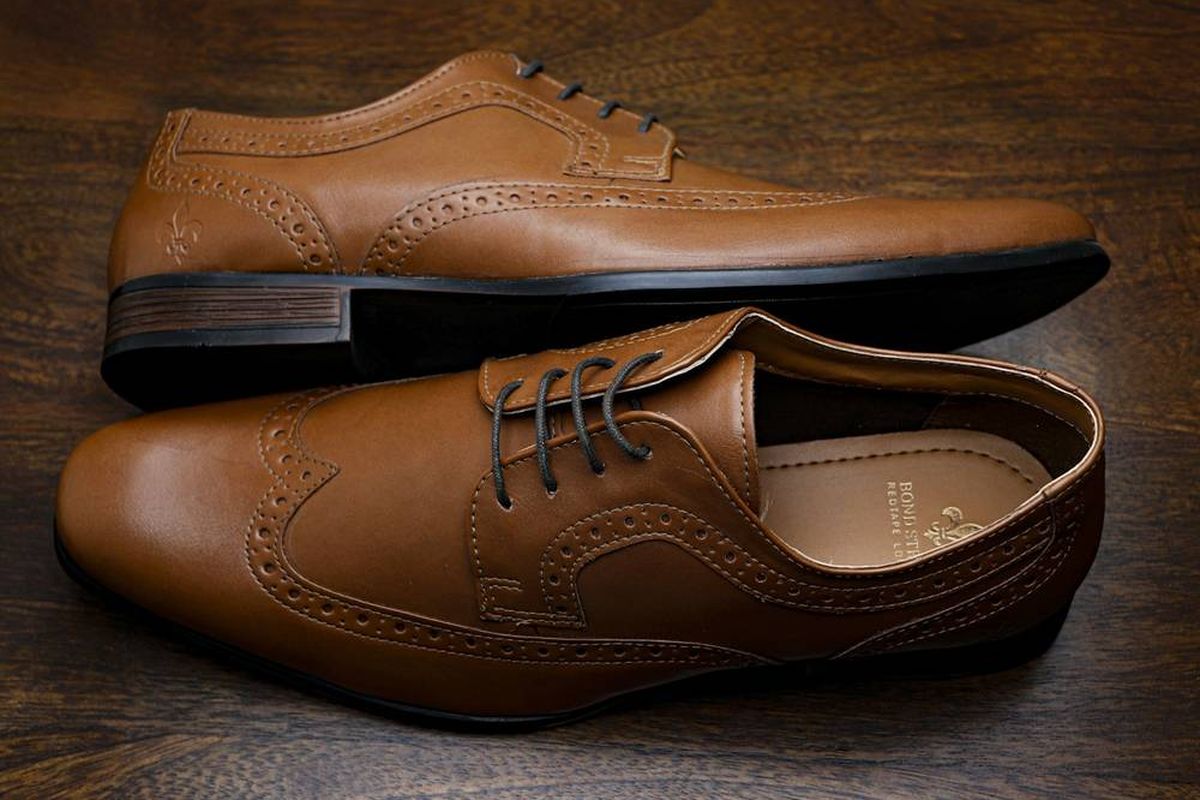
Leather dress shoes should feel snug across the width with the laces done up, with a firm heel and about one finger's width of space in front of the longest toe. Good leather relaxes slightly over the first weeks, but it will not grow in length.
Loafers and slip-ons
Without laces, a loafer relies entirely on its shape to stay on. It should be fairly snug when new, with the heel gripping lightly as you walk. A loafer that feels roomy in the shop often starts slipping at the heel within weeks. If you are between sizes, the smaller size is usually right for loafers, provided the toes are not touching the end.
Sandals
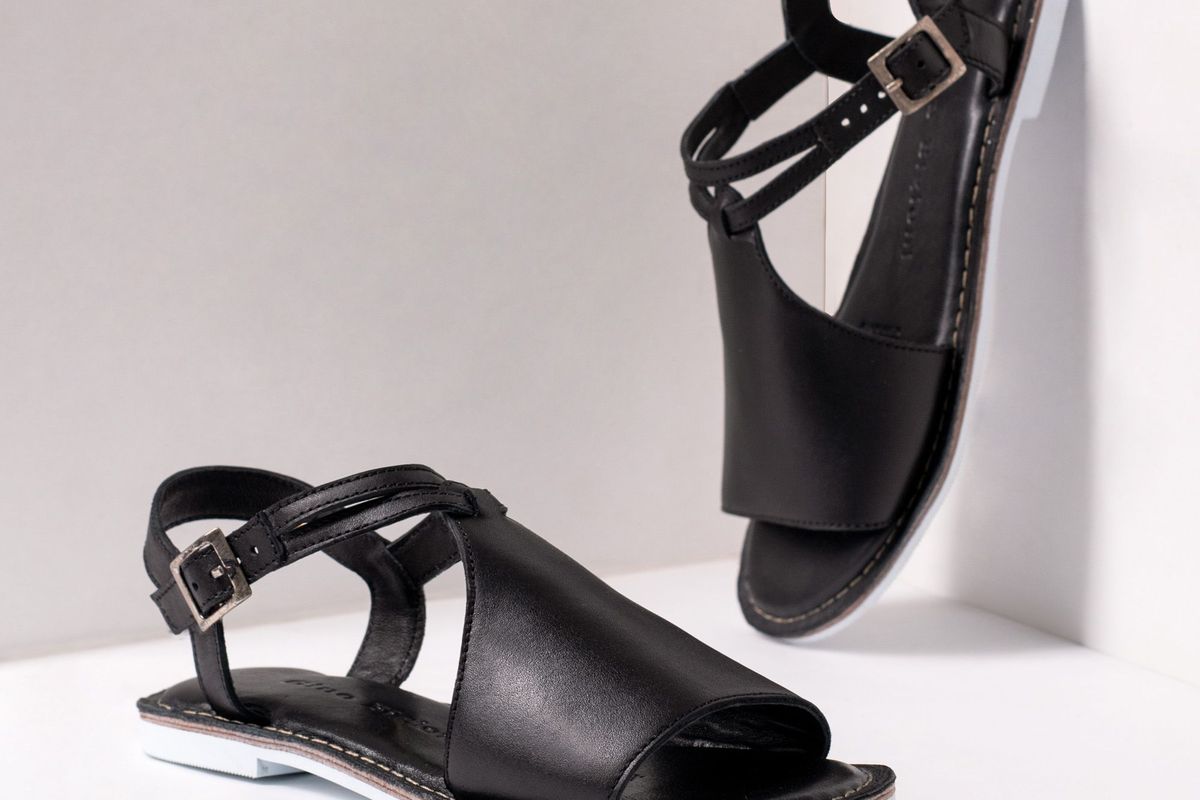
With sandals your toes should not hang over the front edge, and your heel should sit fully on the footbed, not over the back. Allow roughly 5 to 10 mm of sole visible around the toes. Straps should be firm without leaving marks; if a strap leaves a red line after twenty minutes, it will be painful by evening when your feet swell. For sandal-specific advice for island life, see our guide to the best sandals for a tropical climate.
Heels and heeled sandals
The higher the heel, the more your weight shifts forward onto the ball of the foot and the more the foot slides towards the toe. A heel that fits well at the back but pinches at the front will feel much worse after an hour of standing. Check that the widest part of your foot matches the widest part of the shoe, that the arch of the shoe supports your arch rather than floating under it, and that your heel does not lift out when you walk. Many women find they take the same size in a low heel but need a half size larger, or a style with an ankle strap, in heels over 7 cm.
Fitting tips when trying shoes on
Even with an accurate measurement, trying shoes on properly makes a real difference. These habits help you avoid the most common mistakes.
- Shop in the afternoon, when your feet are at their largest.
- Bring the right socks or hosiery. A thick sock can add close to half a size compared with a thin dress sock.
- Stand up and walk on a hard floor, not just carpet, for at least a couple of minutes.
- Do the thumb test: standing, press just in front of your longest toe. You should find roughly a thumb's width of space in closed shoes.
- Check the heel: a slight lift is acceptable in new leather shoes, but the heel should not slip out.
- Check the flex point: the shoe should bend where your foot bends, at the base of the toes. If it bends in front of or behind that point, the length is wrong.
If you want a second opinion, our professional fitting and size consultation takes accurate measurements and checks how different styles sit on your feet before you buy.
Half sizes, in-between sizes and children's shoes
EU sizes usually come in full steps of about 6.7 mm, so if your foot falls between two sizes, neither will be perfect. Here is how to decide.
- For lace-up shoes, choose the larger size. Laces let you take up the extra volume, and a thin insole can fill a few millimetres if needed.
- For loafers and slip-ons, choose the smaller size as long as the toes do not touch the end, because the leather will relax.
- For open sandals, choose the size where your toes stay on the footbed. Adjustable straps make the rest easy.
- For heels, try both. If the larger one slips at the back, a heel grip pad is a simple fix; if the smaller one pinches the toes, there is no fix.
Insoles and heel grips can make a slightly large shoe fit well; nothing fixes one that is too small. When in doubt, go slightly larger and adjust.
A quick word on children's shoe sizes
Children's feet grow quickly and often unevenly, so measure them every two to three months up to school age, and every four to six months after that. Allow around 10 to 15 mm of growing room, but not more: a shoe far too big causes tripping and forces the child to grip with their toes. Children rarely complain about tight shoes, so check the fit yourself with the thumb test and look for red marks.
Buying shoes online and common sizing mistakes
Ordering online step by step
Buying online is convenient, and it works well if you are methodical.
- Know your foot length in centimetres and compare it with the retailer's own chart rather than a generic one.
- Check which system the size is in. A “size 8” could be UK, US men's or US women's, and those differ by up to one and a half sizes.
- Read the product description for fit notes such as “runs small”, “narrow fit” or “true to size”.
- Check the exchange policy, and try new shoes indoors first so they stay in resaleable condition.
Common sizing mistakes to avoid
- Measuring in the morning or while sitting, which underestimates foot size.
- Fitting to the smaller foot instead of the larger one.
- Buying tight leather shoes to “break in”. Leather softens across the width, not the length.
- Sizing up to fix width, which moves the flex point and causes heel slip.
- Assuming your size never changes. Weight changes, pregnancy and age can all lengthen or widen the foot.
Find your perfect fit with Nylex
Choosing the right size comes down to three habits: measure properly, understand how your chosen style should fit, and trust how the shoe feels over the number on the label.
At Nylex we make and supply men's shoes in sizes 38 to 47 and women's shoes in sizes 35 to 45, from formal leather shoes and loafers to sandals, heels and flats. Browse our men's shoes and women's shoes, or visit us at 16 J Charle Oliver, Port Louis to try styles on in person. If you are unsure of your size, contact our team and we will gladly help you find the right fit.
Frequently asked questions

Shoemakers and fitting specialists at our Port Louis workshop, sharing practical advice from years of making and fitting footwear in Mauritius.